
Aircraft Wastewater Could Help Detect Future Outbreaks Earlier
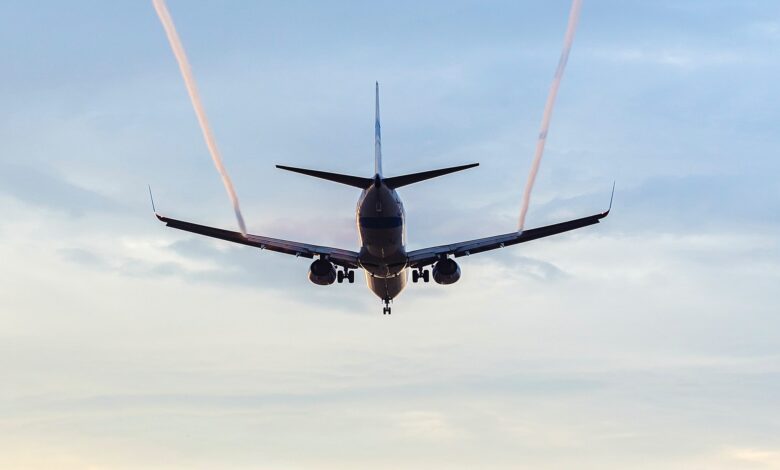
A joint U.S.–UK study published in Scientific Reports has found that samples collected from aircraft wastewater tanks could be used to track the movement of viruses and other pathogens between countries.
Researchers analysed 424 wastewater samples collected from flights between the United States and the United Kingdom from March 2024 to January 2025. At least one respiratory pathogen, including Covid-19, influenza A and B, or respiratory syncytial virus, was detected in 317 samples, equivalent to around 75% of the total. At least one pathogen linked to gastrointestinal illness, including norovirus and adenovirus, was also identified in 303 samples.
The study found that the Covid-19 XEC variant was detected in wastewater from flights arriving in the United States from the United Kingdom on September 17, 2024. The same variant was identified in samples from U.S.-originating flights around four weeks later. Researchers said the result suggests aircraft wastewater could provide an early indication of how new variants spread between countries.
Samples can be collected from lavatory waste tanks after a flight without direct contact with passengers or disruption to operations. Researchers said a global early-warning network could be created if similar systems were introduced at strategically located airports and the resulting data were shared rapidly.
However, the study covered only two airports and two airlines, used different laboratory methods in each country, and represented only passengers who used the lavatory during the flight. The researchers stressed that the method cannot independently determine the true infection rate among passengers, but could serve as a complementary tool for outbreak surveillance.